
Indoor air quality testing is essential. It's about more than just comfort - it's about health. Poor indoor air quality can lead to respiratory issues, allergies, and asthma. Prolonged exposure can even exacerbate these problems. But there's a solution - indoor air quality evaluation. Through this process, we can identify potential hazards, giving you the chance to mitigate the risks and ensure a healthier living environment.
Indoor Air Quality Testing in Edmond, OK
Choose Marshall Environmental Management
When it comes to indoor air quality management, experience matters. That's where Marshall Environmental Management shines. With years of experience in the field, they've developed a deep understanding of what it takes to ensure optimal indoor air quality. The team is not only qualified but also dedicated to providing top-notch service to clients in Edmond, OK. They hold all required licenses and certifications, which serves as a testament to their expertise and commitment to the highest standards of service.
What's Included in an Indoor Air Quality Assessment
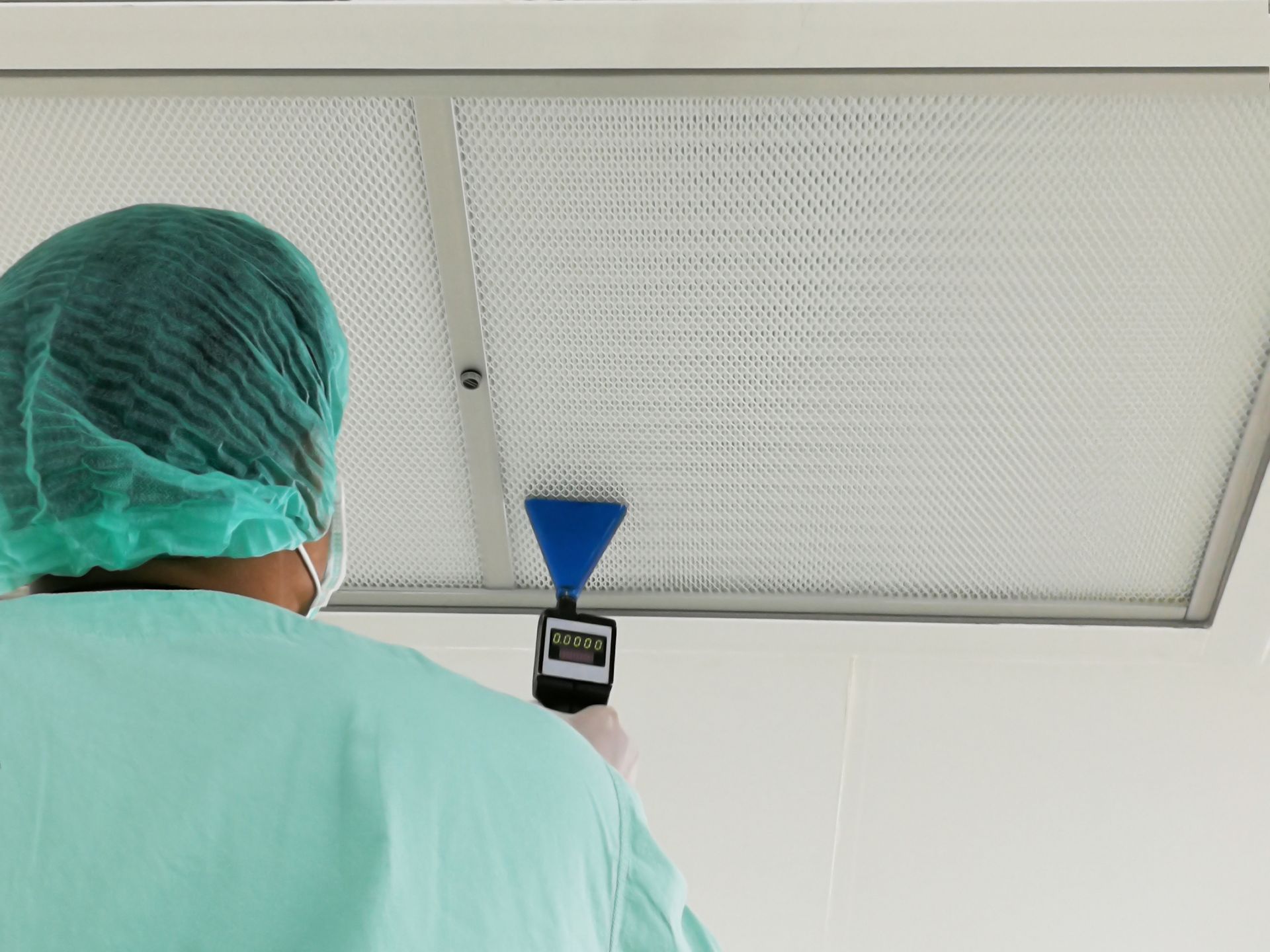
Indoor air quality testing with Marshall Environmental Management is comprehensive. The team uses advanced tools and techniques to test for various contaminants, including dust, mold, volatile organic compounds (VOCs), and more. They'll assess ventilation systems to ensure they're functioning properly. If we find any, they'll provide recommendations on how to improve air quality.
But it doesn't stop there. Marshall Environmental Management believes in empowering clients with knowledge. They'll explain the results in clear, easy-to-understand terms, so you know exactly what's going on and what steps need to be taken.
If you're in Edmond, OK, and need indoor air quality testing, look no further than Marshall Environmental Management. With their experience, expertise, and dedication to service, you can be assured of a healthier, safer living environment. Our team is excited to connect with you soon and provide you with the first important steps to clean indoor air.
- Fungal (mold) & Water Damage Evaluation
- Fungal Remediation Protocol
- Indoor Air Quality Indicator Assessment
- Carbon Dioxide
- Carbon Monoxide
- Relative Humidity
- Temperature
- Petroleum Vapor Intrusion Evaluation
Poor indoor air quality often makes itself known through persistent, easy-to-dismiss symptoms that only worsen over time. Recognizing these warning signs early can protect your household or workforce before air contamination reaches levels that require more intensive intervention.
The following indicators may suggest your property needs a professional indoor air quality assessment:
- Recurring headaches, fatigue, or difficulty concentrating that improve when you leave the building.
- Persistent allergy-like symptoms indoors, such as sneezing, watery eyes, or a runny nose, even outside of pollen season.
Signs of Poor Indoor Air Quality You Should Not Ignore
- Recurring headaches, fatigue, or difficulty concentrating that improve when you leave the building.
- Persistent allergy-like symptoms indoors, such as sneezing, watery eyes, or a runny nose, even outside of pollen season.
- Unexplained musty or chemical odors that linger regardless of ventilation efforts.
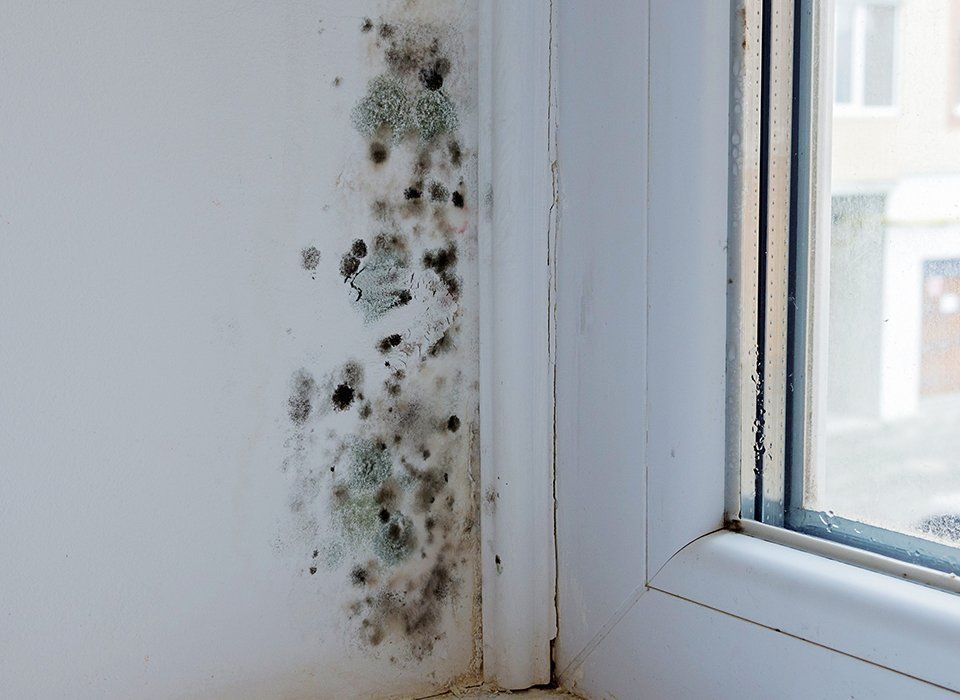
- Visible mold growth or moisture staining on walls, ceilings, or around HVAC vents.
- Increased frequency of respiratory issues, such as coughing or wheezing, especially in children or older adults.
- Excessive dust buildup on surfaces shortly after cleaning, which may indicate a compromised filtration or ventilation system.
If any of these conditions sound familiar, a certified assessment can identify the underlying pollutants before symptoms escalate.
What Indoor Air Quality Testing Can Detect
Professional air quality testing can identify a wide range of pollutants that standard inspections often miss. Our testing protocols may evaluate the following contaminants depending on the scope of the assessment:
- Mold spores and fungal particulates, which may thrive in Oklahoma's humid summer conditions.
- Volatile organic compounds (VOCs) from building materials, adhesives, paints, and cleaning products.
- Particulates and dust, including fine respirable particles that are not visible to the naked eye.
- Carbon monoxide and combustion byproducts from gas appliances or attached garages.
- Lead dust, particularly relevant in pre-1978 residential and commercial structures.
- Biological allergens, including dust mite debris and pet dander recirculated through HVAC systems.
Understanding what is actually present in your air, not just what might be, is what makes a data-driven approach valuable. For property-specific information about how we serve the Edmond community, visit our dedicated Indoor Air Quality page. To schedule an assessment with Marshall Environmental Management, Incorporated, contact us at 1-844-841-5831 to request a proposal.
Indoor Air Quality: Frequently Asked Questions
How Much Does Indoor Air Quality Testing Cost in Edmond, OK?
Indoor air quality testing in Edmond varies depending on factors like the size of the property, the number of areas tested, and the types of contaminants being evaluated. Basic testing may focus on a specific concern, while more comprehensive assessments analyze multiple pollutants throughout the home. Additional factors such as accessibility, environmental conditions, and the level of detail in the report can also influence the overall scope. If issues are identified, solutions may include air purification, humidity control, or HVAC system improvements. Because every home is different, it’s best to request a customized, itemized estimate to understand what’s included and ensure the service meets your specific needs.
Why Are My Allergies Worse Indoors?
Allergies often flare indoors when Oklahoma pollen and dust are tracked in, then recirculated by the HVAC system. Dust mites, pet dander, and hidden moisture that feeds mold also play a role. Windy spring days and fall ragweed season make it worse. Helpful steps include a higher MERV filter, a portable HEPA in sleeping areas, regular vacuuming with a HEPA vacuum, keeping humidity around 40–50%, sealing attic and crawlspace leaks, and using your range hood and bath fans.
What Is the Best Humidity Level for My Home, and How Do I Control It?
Aim for 35%–50% relative humidity year round; in freezing weather, stay closer to 30%–40% to prevent window condensation and surface mold. In humid Oklahoma summers, a whole home dehumidifier or a properly sized, variable speed AC helps keep moisture in check. During dry winter snaps, a controlled humidifier can add comfort. Use bath and kitchen exhaust fans, fix leaks, keep gutters clear, and run HVAC fans on “auto” to avoid re evaporating moisture from the coil.
Is It Better to Run My HVAC Fan on “On” or “Auto” for Air Quality?
“On” moves more air through your filter, but in Oklahoma’s humid summers it can re evaporate moisture from the coil and raise indoor humidity. “Auto” protects comfort and energy use, but you lose some filtration time. A smart middle ground is a “circulate” setting or ECM fan that cycles at low speed, plus a MERV 13 filter or a portable HEPA in bedrooms. If you run “On,” pair it with good dehumidification.
Ready to breathe cleaner air in Edmond, OK? Contact us to schedule a professional indoor air quality assessment or request a free, itemized estimate today.