
How Indoor Air Quality in Edmond, OK Impacts Allergy Season
If you have ever wondered why indoor air quality gets noticeably worse during Oklahoma’s allergy season, you are not alone. At Marshall Environmental Management, serving Edmond, OK, we see many residents struggling with allergy symptoms even inside their own homes. This is because particles like pollen and dust do not just affect the outdoors; with Edmond’s wind and dust, these irritants often sneak indoors and become trapped by HVAC systems. For homeowners and businesses, understanding this connection is essential for health and well-being, making an indoor air quality assessment one of the most effective ways to fight seasonal symptoms.
Why Edmond’s Allergy Season Triggers Indoor Issues
Each spring and fall, residents in Edmond brace themselves for pollen clouds from oak and cedar trees. You may notice yellow dust on vehicles and windowsills. Unfortunately, this pollen, together with agricultural dust from surrounding fields, doesn’t stop at your doorstep. It can enter through open doors, windows, shoes, clothing, and even small building cracks. Once inside, modern HVAC systems can pull in and distribute these particles, resulting in a “trapped allergen” effect. This means allergens accumulate indoors, sometimes reaching higher concentrations than what you would find outside.
Oklahoma is known for its unpredictable weather. Sudden wind gusts can push huge amounts of dust into your entryway or garage. If you run your air conditioning, the HVAC system may circulate these fine particles throughout your home unless you use high-efficiency filters and maintain your equipment regularly. Add local humidity and you risk mold growth, which compounds allergy problems. Many Edmond residents, expecting relief indoors, actually suffer from ongoing symptoms because their homes and offices trap these outdoor pollutants.
Understanding the Trapped Allergen Effect
During allergy season, many believe that staying inside should offer protection from irritating pollen and dust. However, buildings are only as safe as their ventilation and filtration systems. Every time the front door opens or someone tracks in pollen on shoes or clothing, particles settle on furniture and in carpet fibers. If your air filters are not specifically designed for allergy season, these allergens will continue to circulate indoors.
Over time, the accumulation of these particles can turn a normally comfortable living space into a trigger zone for those sensitive to dust or pollen. Edmond’s temperature swings can encourage even more time indoors, increasing your exposure to these indoor irritants. That’s why regular HVAC maintenance and a professional indoor air quality assessment are vital to long-term relief.
Spotting the Difference: Standard Allergies vs. Indoor Air Problems
Not all allergy symptoms are created equal. Sometimes, repeated sneezing, congestion, or headaches signal issues inside rather than just external pollen. The following checklist can help you determine whether your discomfort is related to poor indoor air or simply Oklahoma’s infamous pollen counts.
Typical Allergy Symptoms:
- Sneezing, runny nose, or nasal congestion
- Itchy or watery eyes
- Mild fatigue that dissipates with time outside
Poor Indoor Air Quality Symptoms:
- Symptoms intensify or persist after spending prolonged periods indoors
- Occasional headaches and difficulty focusing
- Dry, sore throat or persistent coughing not helped by allergy medications
- General feeling of malaise that improves when out of the building
- Skin rashes or irritation (especially if mold is present)
- Frequent aggravation of asthma symptoms
If you realize your symptoms decrease after being outdoors or get worse after spending hours inside, your indoor air may be the culprit. In these cases, investing in an indoor air quality assessment can help pinpoint the contributing factors and allow for targeted solutions.
Common Edmond Pollutants and How They Get Inside
Edmond’s allergy season is fueled not just by trees but also by the region’s agricultural activity. When fields are dry or crops are harvested, dust easily enters homes and commercial spaces. Rain can bring spikes in humidity, and with it, a risk of mold growth wherever excess moisture collects.
Here are the most frequent sources affecting Edmond’s indoor air:
- Pollen from local oak and cedar trees
- Agricultural dust, drifting in after fieldwork or on windy days
- Mold spores thriving in Oklahoma’s humid climate
- Indoor sources like pet dander and household cleaners
- Older carpets and poorly maintained vents, which collect and redistribute allergens
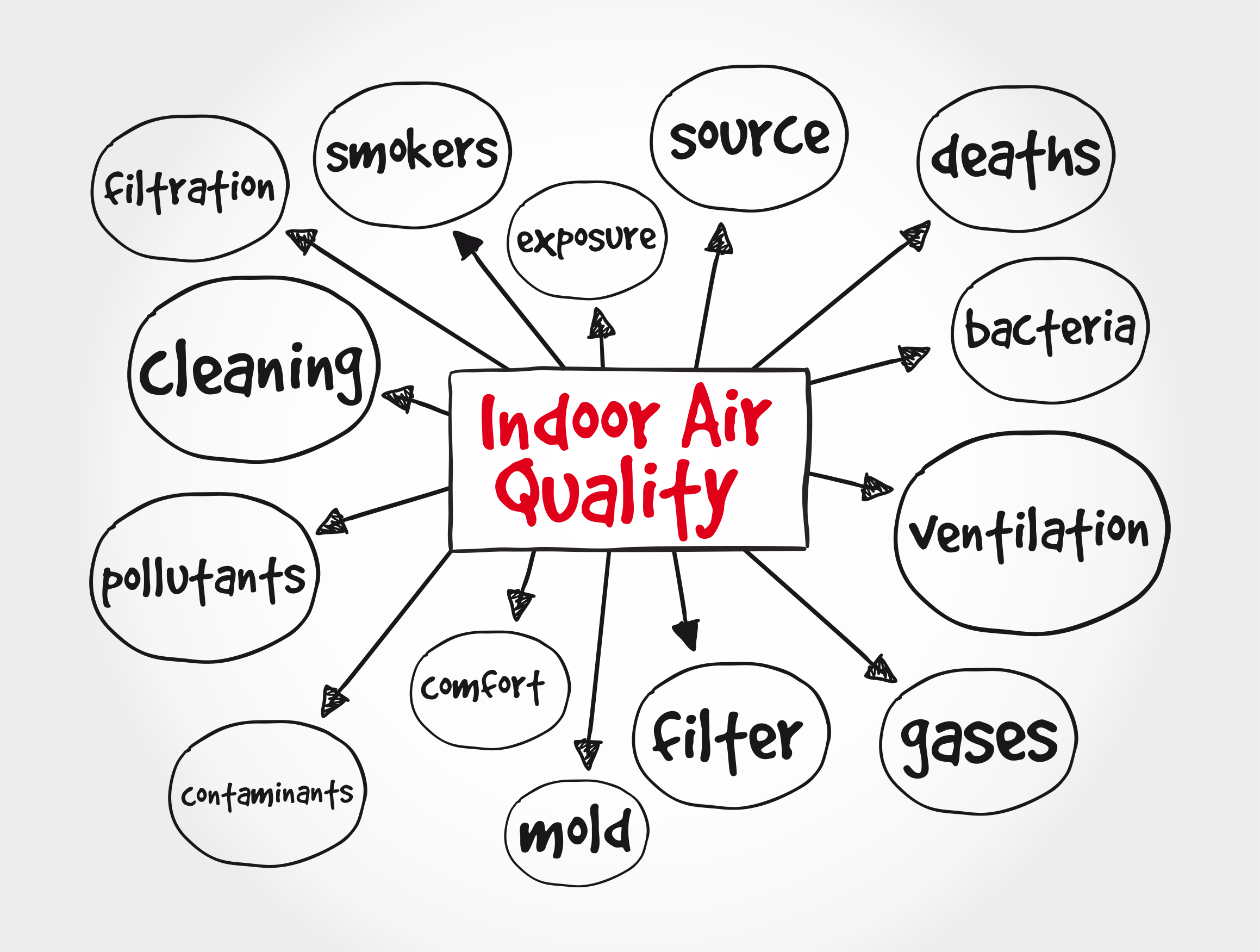
All of these sources can be identified and quantified with an indoor air quality assessment, which looks at how outdoor problems become indoor problems and what residents can do to break the cycle.
Steps to Improve Your Indoor Air in Edmond
Improving interior air starts with small steps and regular maintenance:
- Upgrade Filters: Use allergy-rated or HEPA filters in your HVAC system, and change them as recommended.
- Routine Cleaning: Regular dusting, vacuuming, and wiping down frequently touched surfaces reduces buildup.
- Ventilation Checks: Have air ducts and mechanical ventilation inspected and cleaned if needed.
- Humidify/Dehumidify as Needed: Keep humidity under control to prevent mold while staying comfortable year-round.
- Monitor Entryways: Use mats and remove shoes to keep dust and pollen from spreading throughout living areas.
- Identify Hot Spots: Pay attention to basements, bathrooms, or any zones prone to dampness or dust.
To see how we can address these specific Edmonds concerns, view our services page.
Why Choose Marshall Environmental Management?
Providing services in the Edmond, OK area, we use our experience in measuring and improving environmental health to support families and businesses. With a process centered on accurate detection and clear communication, Marshall Environmental Management ensures clients receive actionable steps, not just a list of issues. We know each building is unique and respect your need for customized solutions. Our team prioritizes safety, education, and long-term well-being, making indoor air quality assessments a seamless and valuable part of property care.
Ready to Breathe Easier This Allergy Season? Contact Us Now
Do not let Oklahoma’s allergy season sneak inside and disrupt your daily life or productivity. If you think your symptoms are linked to your indoor air or you want professional advice on creating a healthier space, Marshall Environmental Management is ready to help. Call us at
844-841-5831 or
visit our contact page to book an indoor air quality assessment and start breathing easier in Edmond.